






Bumble’s New Series Puts Real Questions to Real Voices
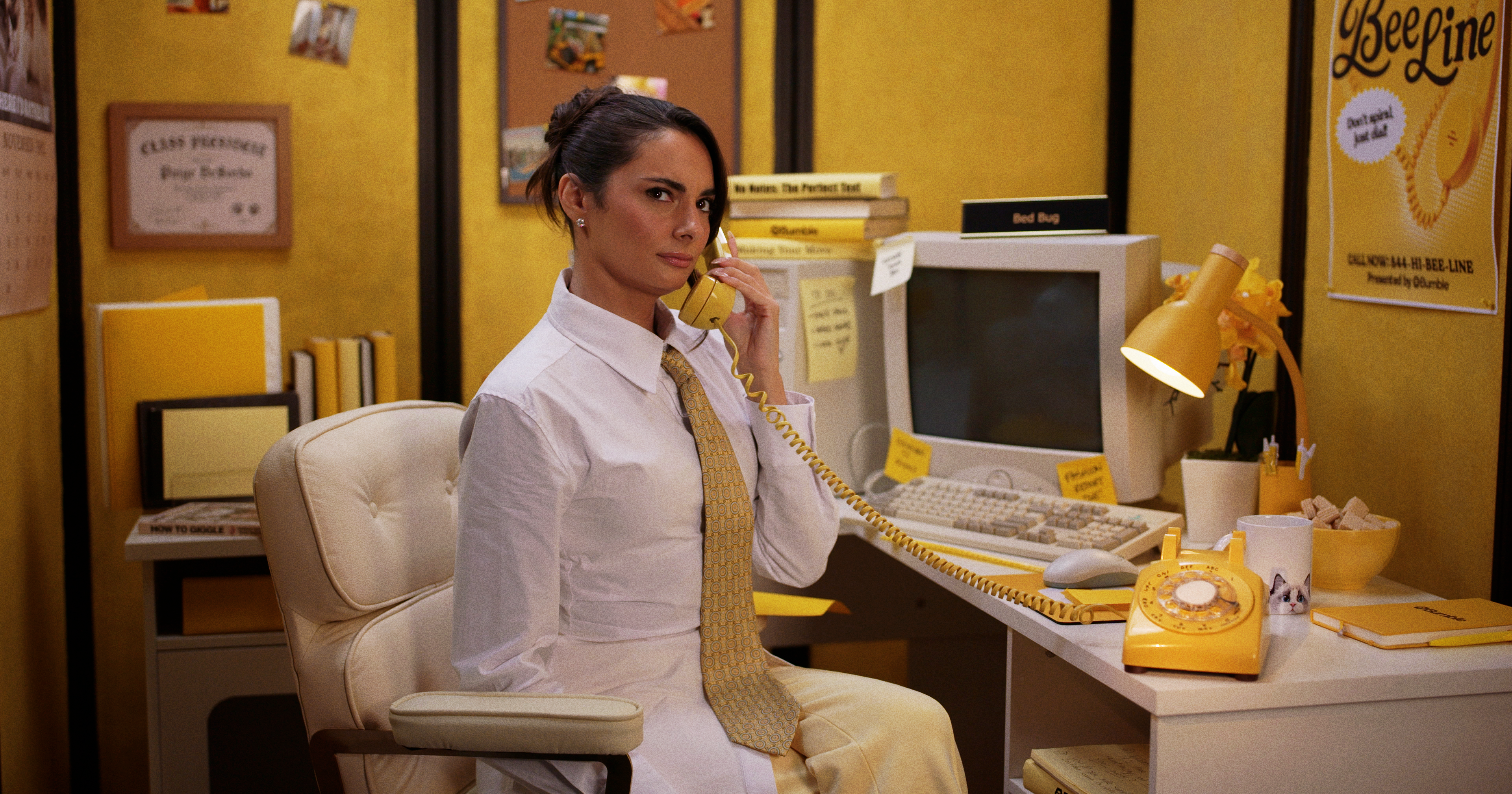
Paige DeSorbo has a new gig, and it’s not a fashion drop or a Summer House reunion. The former Bravo cast member, podcast host, and designer has partnered with Bumble for Bee Line, a social-first video series where hosts field actual dating questions from Gen Z and Millennial users. DeSorbo is one of those hosts, which means she’s now on record with opinions about FaceTime dates, AI-assisted texting, and exactly where modern romance is going wrong.
The series is built around the kind of advice people usually crowdsource from group chats at midnight – which, it turns out, is exactly the analogy DeSorbo herself reaches for when explaining why some modern dating shortcuts have gone too far.

The AI Flirting Problem Is Bigger Than One Bad Text
When asked whether using ChatGPT to write texts after matching with someone qualifies as a hack or an ick, DeSorbo didn’t hesitate. “That is so scary and terrifying,” she said. Her reasoning isn’t just about authenticity in the abstract – it’s practical. If someone’s entire personality in a chat window has been ghost-written by a language model, the gap between that and the actual person sitting across from you at dinner becomes a real problem. “When you get in real life, you can’t ask the computer,” she pointed out.
She drew a distinction that’s worth taking seriously: calling a friend for advice versus outsourcing your personality to a robot are not the same thing. One is how humans have always navigated emotional uncertainty. The other is something she compared directly to needing professional help. “If you’re asking a robot, I need you to seek therapy,” she said, laughing but not entirely joking. The stakes, as she sees them, are around humor specifically – how do you signal wit, timing, or warmth through messages that weren’t generated by you? And when the real version of you shows up, what exactly are they expecting?
There’s a generational thread running through her argument. DeSorbo referenced the shared cultural memory of writing a 10-page paper at 1:00 AM without having read the book – the kind of last-minute hustle that, she suggested, actually builds something in you. The implication being that struggle, improvisation, and occasional awkwardness are features of human connection, not obstacles to route around with software. It’s a more interesting position than simple technophobia.
Whether or not you agree, the trend she’s reacting to is real. AI-assisted dating profiles and message generation have moved from novelty to documented behavior on major apps, which is presumably part of why Bumble tapped voices like DeSorbo to address it directly through Bee Line rather than letting it fester in comment sections.


The Unexpected Defense of the FaceTime Date
One of the more surprising moments in DeSorbo’s conversation was her full endorsement of the pre-date FaceTime call – a format that apparently baffled her editor at Refinery29, who reportedly reacted to the concept with genuine confusion. DeSorbo is unambiguous: “I kind of love that. I love a cold call.” Her logic is that a spontaneous FaceTime before a confirmed date creates a kind of preview that actually improves the in-person meeting.
She connects it directly to her own experience. Some of the best dates she’s gone on were preceded by a FaceTime. That’s a specific, grounded claim – not a theory but a pattern she’s noticed. The cold call format, where someone dials without warning rather than scheduling a video chat like a business meeting, is apparently the version she prefers. There’s something about the unscripted quality of it that she finds useful, which tracks with her broader skepticism about anything too curated or pre-produced in early dating.
What DeSorbo’s Opinions Reveal About the Current Dating Conversation
Bumble building a social series around advice from people like DeSorbo reflects something specific about where dating app culture is right now. The apps themselves have become almost secondary to the conversation surrounding them – the meta-commentary about how to use them, what behaviors are acceptable, and where the etiquette lines sit. Bee Line is designed to feed that conversation directly, using recognizable personalities to give it weight and shareability.
DeSorbo fits that role because she speaks from a specific, identifiable perspective – someone who came up through reality television, built a public persona partly around dating and relationships on Summer House, and has continued that conversation through podcasting and public appearances. She’s not a therapist or a researcher. She’s someone with opinions shaped by visible experience, which is exactly what the format calls for.
For audiences already watching dating culture play out on reality TV, the crossover into advice content like Bee Line probably feels natural. The parasocial connection that reality television builds gets redirected into something more interactive – your question, their answer, a comment section to argue in afterward.

The harder question underneath all of this is whether advice about dating apps can keep pace with how fast the behavior on those apps is actually changing. DeSorbo calling out AI-generated texts as a red flag is a position that makes obvious sense today. But if enough people normalize it – and platforms don’t build in any guardrails – what exactly is she defending against?