







The Morning After Going Viral
Most people who go viral disappear. The algorithm moves on, the shares stop, and whatever ignited that initial spark gets buried under the next wave of content. Tabitha Brown decided, almost immediately, that she was not going to let that happen to her. The viral video that brought her to millions of screens was not the beginning of a lucky break – it was the opening act of a career she had been architecting for years before anyone outside her circle knew her name.
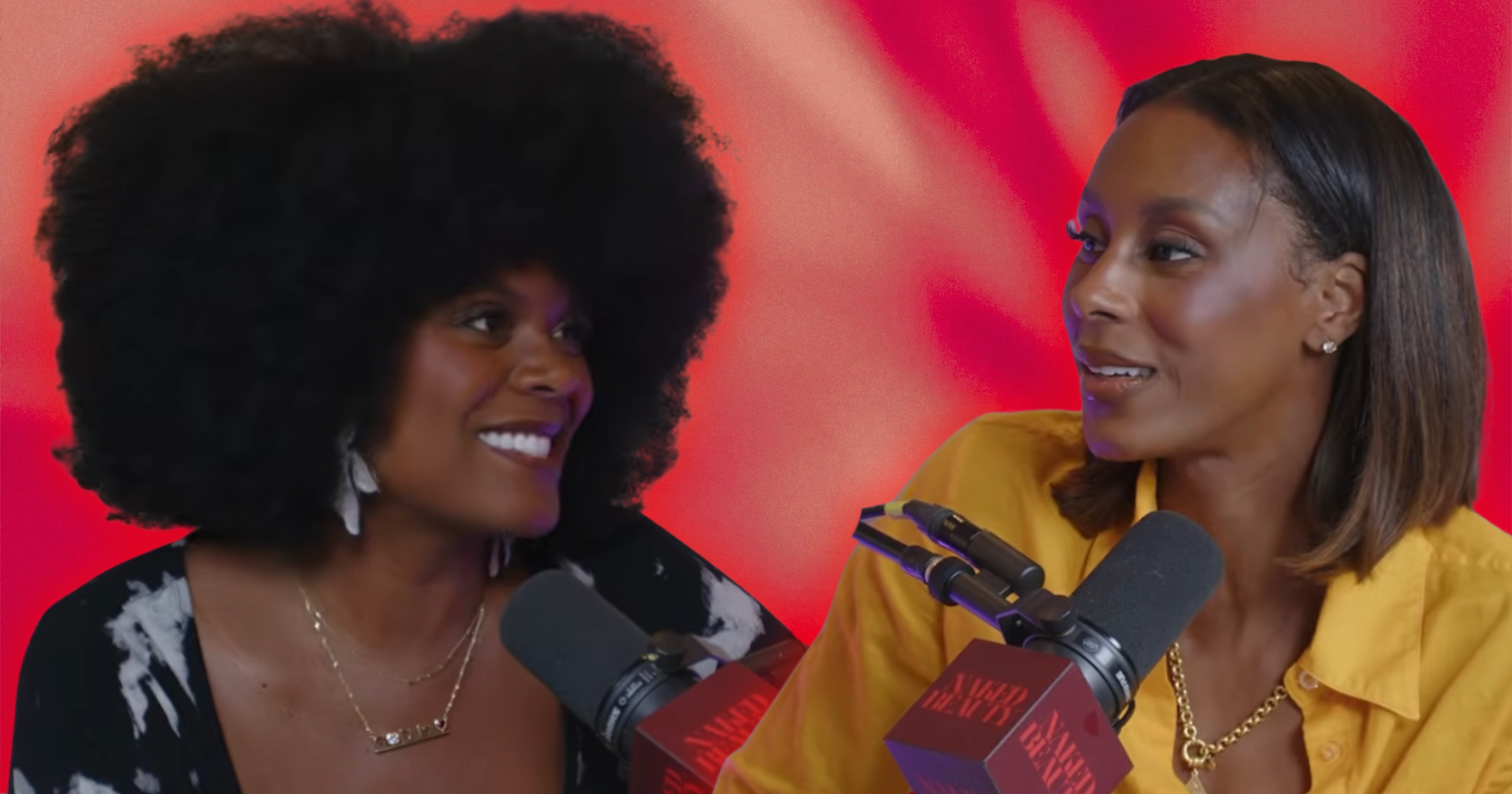
On a recent episode of the Naked Beauty podcast hosted by Brooke DeVard, Brown sat down to give an unusually candid account of how she got here. Not the inspirational-caption version, but the actual mechanics: the two moves to Los Angeles, the strategic thinking behind her business decisions, the hair, the faith, and the specific choice to build something that could outlast a single viral moment.

She Moved to L.A. Twice on Purpose
Brown grew up in North Carolina and came to Los Angeles with an acting career in mind and a family who backed her without hesitation. That first move was about chasing creative work and building a professional portfolio. The second move was deliberate in a different way – she had already seen enough of the industry to know what she was returning to, and she went back anyway, with clearer intentions and a sharper understanding of what preparation actually looks like when you’re serious about longevity.
Her professional training as an actress gave her something that pure social media fame rarely provides: the ability to perform, connect, and hold an audience’s attention across formats that aren’t a 60-second video. That foundation is a large part of why her post-viral career didn’t stall. She became a two-time Emmy Award-winning host, a four-time bestselling author, a children’s entertainment creator, a multi-NAACP award winner, and a working entrepreneur across beauty, food, haircare, and fragrance – not all at once, but through a deliberate expansion that tracked closely with who she already was.
Brown told DeVard that the key condition she set for herself was simple: everything had to be aligned. Not aligned in a vague, motivational-poster sense, but specifically tied to her actual life – her veganism, her love of children, her longtime relationship with haircare. When those categories match your businesses, the work stops feeling like brand extension and starts functioning like autobiography.
Faith and Work Ethic Are Not Separate Things for Her
A theme that ran through the conversation without apology was faith. Brown has never separated her belief in God from her professional decisions, and she didn’t soften that framing for the podcast. She described the opportunities that shaped her career as divinely aligned – not accidental, not purely the result of networking, but the product of being prepared when the right doors opened. That’s not a passive position. It implies that readiness is its own form of devotion.
What she outlined to DeVard amounts to a theology of work ethic. You prepare. You wait. You don’t mistake a single viral moment for a career. And when the moment comes, you already have the skills and the catalog to back it up.


The Hair Chapter Is Its Own Story
Brown dedicated a significant part of the conversation to her hair journey, and it wasn’t a sidebar – haircare has been a lifelong interest that eventually became a professional vertical. She walked through the many big chops she’s undergone over the years, each one a decision that had cultural weight and personal resonance. For Black women especially, the big chop is rarely just about aesthetics; it tends to mark something larger, and Brown treated it that way.
She also spoke about working with her husband in the business – a dynamic that adds both intimacy and complication to the professional picture. How you navigate a shared enterprise with a spouse says something real about both the relationship and the business, and Brown didn’t shy away from the texture of that. Her haircare brand didn’t come from nowhere. It came from decades of personal investment in the subject before it ever became a revenue stream.
Online negativity came up too, because it always does when you’re a Black woman with a large platform and a visible presence. Brown addressed how she handles it – without detailing a specific strategy, but with the kind of measured clarity that suggests she’s thought about it more than she has to talk about it. Protecting your peace isn’t just wellness rhetoric when your business depends on showing up publicly every day.
What Brown described across the conversation is a career model that doesn’t get discussed often enough: the person who goes viral and then, quietly and systematically, does the harder work of becoming impossible to ignore. The Emmy wins didn’t happen because of one avocado toast video. They happened because she was already trained, already prepared, and already knew exactly which lane she was building toward – and she kept building it even when no one was watching.
Her fragrance line exists. Her food brand exists. Her children’s content exists. And all of it, according to Brown, has to pass the same internal test before it launches: Does this reflect who I actually am? That question sounds simple until you realize how many people skip it entirely – and then wonder why their audience stops believing them.