




The Silhouette That Refuses to Stay Gone
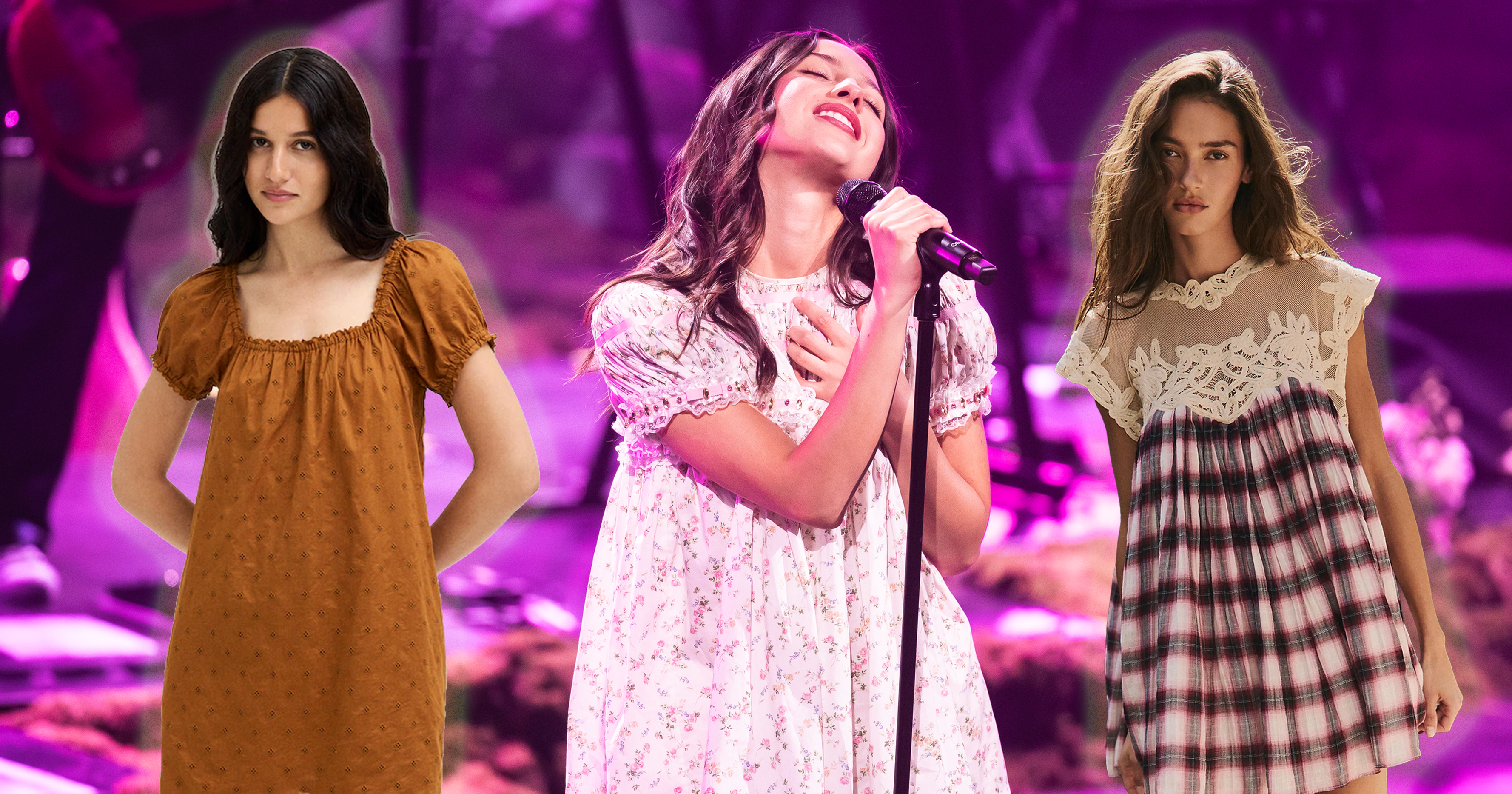
Olivia Rodrigo has not been subtle about her current aesthetic. Between the tulle chemise and bloomers in her “Drop Dead” music video, the floral babydoll dress at her Spotify Billions performance, and the Peter Pan collar mini dress on the Target-exclusive cover of her album You Seem Pretty Sad For a Girl So In Love, she has effectively declared a silhouette. The babydoll dress is back, and this time it has a very specific face attached to it.
Whether that excites you or makes you reach for your straight-leg jeans in quiet defiance, the trend is moving. It is showing up in fall florals, plaid, denim, and crisp white, at price points running from $40 to $400, and it is already dictating what concert-goers are planning to wear to Rodrigo’s upcoming Unraveled Tour.
A Silhouette With History
The babydoll dress did not start with Rodrigo, and it did not start with the ’90s either – though that decade gave it its most culturally loaded chapter. The billowing mini dress silhouette dates to the 1940s, but it was the ’90s rock scene that turned it into something with actual weight. Worn as a rebellious and liberating symbol, it became shorthand for a specific kind of refusal: feminine but not obedient, small in scale but loud in intent. The women who built that association – pulling babydoll dresses over fishnets on stages and in mosh pits – gave the garment a charge that persisted long after the decade ended.
The silhouette has had several comebacks since then, each one filtered through whatever cultural anxiety or optimism the moment was running on. What Rodrigo is doing is not a carbon copy of any previous wave. Her version leans younger, more theatrical, closer to childhood dress-up than to grunge-era reclamation. The Peter Pan collar on that Target album cover is doing different work than a babydoll dress worn over a Hole T-shirt ever did. Both are valid. They are just having different conversations.
That distinction matters when you are deciding how to actually wear one in 2025. The Rodrigo interpretation – puff sleeves, lace trim, feminine detailing – is one entry point. But the silhouette is elastic enough to absorb a leather jacket, thigh-high socks, and Mary Jane shoes without losing coherence. Statement sunglasses sharpen it further. The babydoll dress is one of the few shapes that reads differently depending almost entirely on what surrounds it, which is probably why it keeps returning.
What’s Actually Available Right Now
The current market for babydoll dresses skews toward fall-appropriate interpretations – this is not a summer sundress moment. Damson Madder’s Sabina Mini Godet Dress and Ciao Lucia’s Brynn Cotton Poplin Dress are at the higher end of the range. Cider’s Lace Trim Puff Sleeve Mini Babydoll Dress is at the more accessible end. Show Me Your Mumu’s Claremont Dress, Tularosa’s Anya Mini Dress (available at Revolve), and Free People’s Intimately Forever Yours Mini Slip Dress fill out the middle. The full range runs from $40 to $400, which means the trend is genuinely accessible rather than aspirational-only.
Denim is the unexpected material story here. Babydoll silhouettes in denim push against the softness the shape usually implies, and that friction is interesting – it pulls the dress back toward the rebellious register the ’90s version occupied, without requiring a full period-costume commitment.
The Unraveled Tour Effect
Concert dressing has always functioned as a kind of temporary costume, a way of signaling allegiance while also testing out a version of yourself you might not wear to the grocery store. Rodrigo’s Unraveled Tour is already driving search behavior and outfit planning among her audience, and the babydoll dress is the obvious vehicle for that. It is specific enough to feel intentional – you are clearly referencing something – but wearable enough that it does not require full commitment to a character.
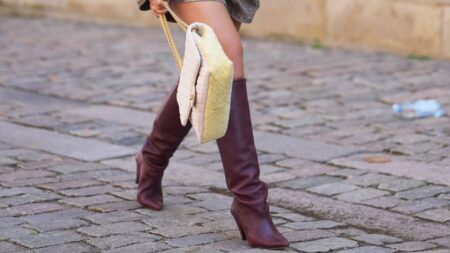
The styling logic for a concert context is straightforward: pair the dress with burgundy boots, which are currently outperforming both black and brown for fall, and you have something that works inside the venue and holds up afterward. Thigh-high socks are the other obvious move, borrowed directly from the aesthetic Rodrigo has been building across her current era.
What is harder to predict is how long this particular wave lasts. Rodrigo’s influence on fashion has been documented across multiple cycles – she helped drive the resurgence of ballet flats, contributed to renewed interest in plaid schoolgirl skirts, and has consistently moved product when she wears it publicly. The babydoll dress is a bigger, broader silhouette than any of those individual items, which means it is both easier to mass-produce and harder to exhaust quickly.

The Spotify Billions performance dress – floral, divisive, very much a talking point – was the moment the current cycle became undeniable. That kind of polarizing reception is exactly what keeps a trend alive past its initial window. People who loved it bought something similar. People who hated it talked about it. Either way, the silhouette stayed in rotation.
The $40 entry point makes that staying power structural. When a trend is accessible at Cider’s price level and also represented at Ciao Lucia’s, it is not going to belong to one consumer bracket for long – and a babydoll dress that costs $40 and one that costs $400 are, in silhouette terms, making the same basic argument about what a body should look like right now.