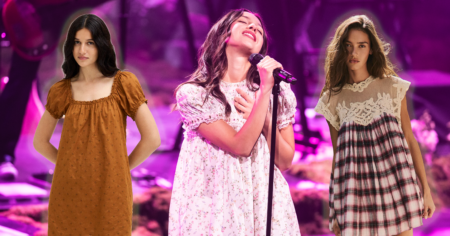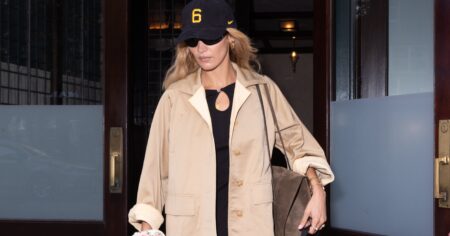






The bedroom-to-boardroom transition has found its unlikely hero in the most casual garment of all. Pajama pants are shedding their sleepwear stigma and claiming territory in wardrobes as legitimate daywear for summer 2026.

The Comfort Revolution Goes Public
Fashion’s relationship with comfort reached a tipping point during the pandemic, but the current pajama pants movement extends far beyond remote work necessities. These loose-fitting bottoms now appear in high-end boutiques alongside tailored trousers, marking a permanent shift in how we define appropriate attire. The silky textures and relaxed cuts that once screamed “just rolled out of bed” now signal intentional style choices.
Designers have responded by elevating traditional sleepwear fabrics and construction. Modal blends replace cheap polyester, while strategic tailoring prevents the dreaded shapeless look that plagued earlier iterations. The key lies in structure-pajama pants now feature defined waistbands, intentional draping, and purposeful proportions that read as deliberate rather than accidental.
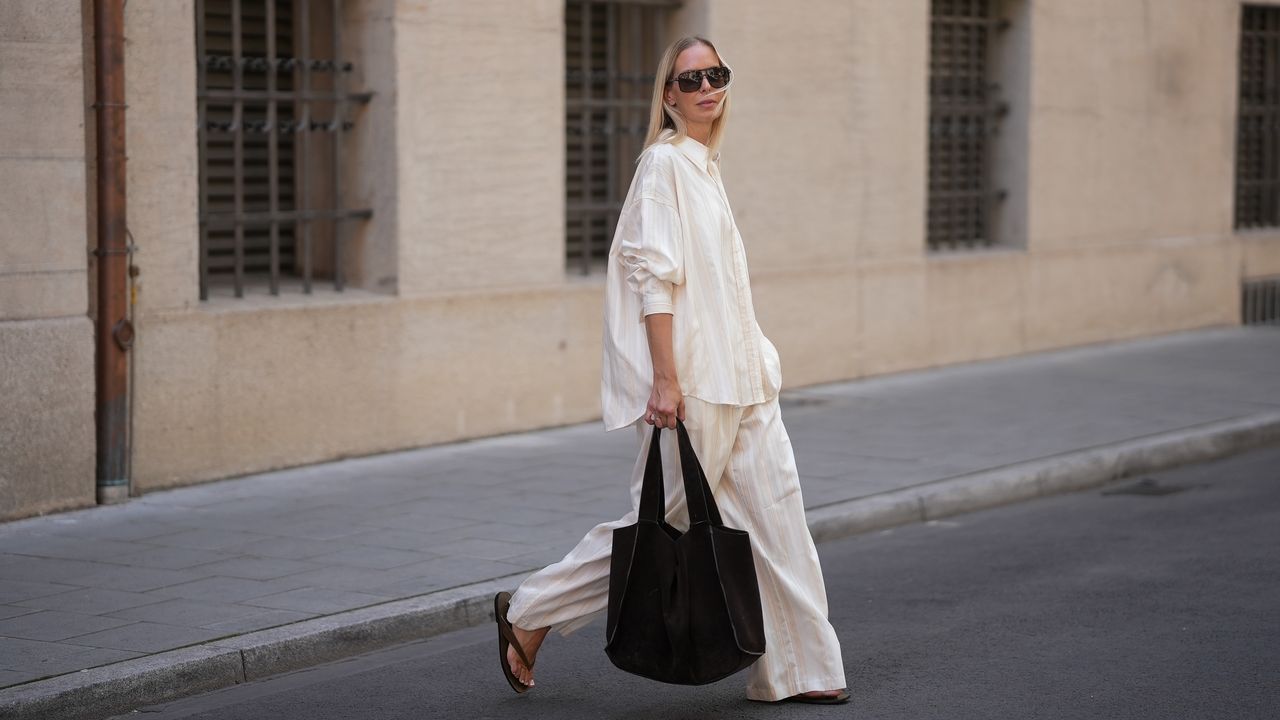
The styling approach centers on contrast and sophistication. Pairing silk pajama bottoms with fitted blazers creates visual tension that transforms bedroom casual into office appropriate. Crisp white button-downs tucked into wide-leg pajama pants blur the line between sleepwear and statement pieces, while structured accessories ground the look in daytime reality.
Color choices matter significantly in this transition. While traditional sleepwear patterns like cartoon prints remain bedroom-bound, solid jewel tones, subtle stripes, and minimalist florals translate effectively to public spaces. Navy silk pajama pants carry the same authority as traditional dress pants when styled with confidence and appropriate accompaniments.
From Bedroom to Street Style Blueprint
The footwear foundation determines whether pajama pants read as intentional fashion or forgotten laundry day. Pointed-toe mules and leather loafers instantly elevate the silhouette, while chunky sneakers maintain the comfort-first philosophy while adding street credibility. Barefoot or bedroom slippers remain the quickest way to undermine the entire concept.
Layering becomes essential for temperature control and visual interest. Lightweight cardigans, structured vests, and cropped jackets provide definition against flowing fabric. The proportions demand attention-oversized tops risk creating a pajama party aesthetic, while fitted pieces maintain the necessary balance between relaxed and refined.


Fabric selection separates amateur attempts from successful executions. Natural fibers like cotton, linen, and modal respond better to body movement and maintain their shape throughout the day. Synthetic blends often betray their sleepwear origins through static cling and unflattering draping. The investment in quality fabric pays dividends in versatility and longevity.
Accessory strategy requires restraint and intention. Statement jewelry competes with the flowing lines, while delicate pieces complement without overwhelming. Structured handbags provide necessary contrast to soft silhouettes, and belt additions can define waistlines when desired. The goal involves enhancing rather than disguising the pajama pant foundation.
Styling for different occasions demands specific adjustments. Professional settings benefit from monochromatic palettes and traditional blazer pairings. Casual weekend looks embrace mixed textures and relaxed accessories. Evening events call for silk varieties paired with heels and minimal jewelry. Each context requires understanding the audience while maintaining personal comfort preferences.
Beyond the Trend Cycle
The pajama pants phenomenon reflects broader cultural shifts toward prioritizing personal comfort over traditional dress codes. Remote work normalized casual attire, while social media influencers demonstrated high-low mixing techniques that make luxury sleepwear appear intentionally fashionable. This convergence created space for formerly private garments to claim public territory.

Whether this represents lasting change or temporary trend remains unclear, but early adoption suggests staying power. Major retailers now dedicate floor space to “lounge-to-street” categories, while luxury brands introduce sleepwear-inspired collections designed specifically for daytime wear. The question becomes not whether pajama pants belong outside the bedroom, but how long traditional dress pants can maintain their monopoly on professional appropriateness.