




Most actors hit their fifties and start eyeing comfortable franchise roles or prestige television. Karl Urban decided to throw himself into the most physically demanding project of his career instead.
The New Zealand-born actor, who turns 54 this year, has signed on for Mortal Kombat II, marking what he calls his greatest professional challenge yet. After decades bouncing between science fiction epics, superhero films, and fantasy adventures, Urban is entering the brutal world of video game adaptations.
His resume reads like a tour through every major pop culture phenomenon of the past two decades.
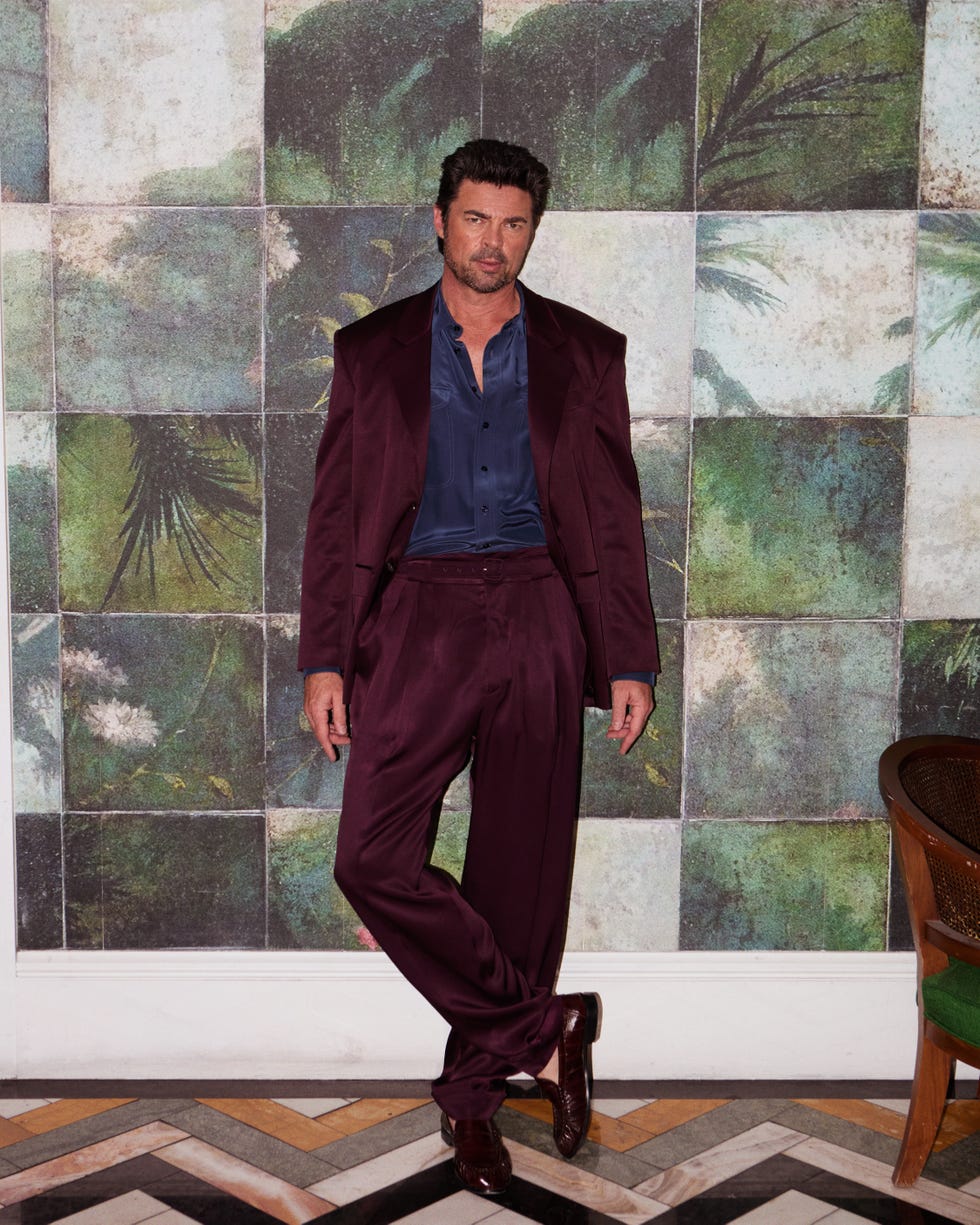
From Middle-earth to The Boys
Urban’s career trajectory defies easy categorization. He wielded swords in The Lord of the Rings trilogy as Éomer, then traded medieval armor for starship bridges in the Star Trek reboot films as Dr. McCoy. Between those franchises, he donned Judge Dredd’s helmet and later became the unhinged Butcher in Amazon’s The Boys.
Each role demanded different physical and emotional commitments. Éomer required horseback riding and sword work across New Zealand’s rugged terrain. McCoy needed Urban to channel both the original DeForest Kelley’s cadence and his own interpretation of the character’s medical expertise and emotional volatility.
The Butcher pushed Urban into darker territory entirely. Playing a man consumed by revenge against superheroes meant exploring rage, trauma, and moral ambiguity week after week. The role earned him critical acclaim and a devoted fanbase, but also took its toll physically and mentally.
Mortal Kombat’s Physical Demands
Mortal Kombat II represents something different for Urban. The fighting game franchise built its reputation on brutal combat sequences and elaborate fatalities. Translating that violence into live-action requires actors who can handle extensive fight choreography and stunt work.
Urban acknowledges the physical challenge ahead. At 53, he’s older than most actors taking on action-heavy roles in major studio productions. The original Mortal Kombat film from 2021 featured younger performers who could handle the demanding fight sequences, but Urban brings decades of experience with physical roles to compensate for age.

His preparation process involves intensive training with stunt coordinators and martial arts experts. The Mortal Kombat universe doesn’t allow for half-measures or shortcuts in its combat scenes. Every punch, kick, and special move needs to feel authentic to fans who have been playing these characters for decades.
Navigating Fan Expectations
Video game adaptations carry unique pressures. Unlike adapting novels or comics, games give fans direct control over characters, creating personal connections that films must respect while telling their own stories. Urban understands this dynamic from his work in established franchises like Star Trek and The Lord of the Rings.
The Mortal Kombat fanbase spans multiple generations and continents. Players have been throwing fireballs and executing fatalities since 1992, developing strong opinions about how their favorite fighters should look, move, and sound on screen. Urban’s casting suggests the filmmakers want someone with proven ability to honor source material while bringing fresh interpretation to familiar characters.
His track record with fan-favorite characters provides some insurance. Star Trek devotees embraced his McCoy despite initial skepticism about the reboot films. The Boys comic readers accepted his take on Butcher even though he differed significantly from the source material’s British version.

The entertainment industry’s relationship with video game adaptations has evolved considerably since the disastrous films of the 1990s and early 2000s. Recent successes like The Last of Us television series and Sonic the Hedgehog films have proven that game-to-screen translations can work when creators understand what makes the source material special.
Urban’s involvement in Mortal Kombat II suggests confidence from both the actor and filmmakers that this particular adaptation can succeed. His willingness to tackle such a physically demanding role at this stage of his career speaks to either supreme confidence or professional restlessness. Given his history of choosing challenging projects over safe bets, probably both.