




Costume Design as Cultural Argument
Ruth E. Carter has dressed characters for over three decades, but the word “costume” undersells what she actually does. From Spike Lee’s Do the Right Thing to the Afrofuturistic streets of Wakanda in Black Panther, Carter doesn’t style people – she constructs the visual logic of entire worlds. Her work carries history, politics, and emotional weight in every hem and silhouette, and the Academy has recognized that twice over with two Oscar wins for Best Costume Design.
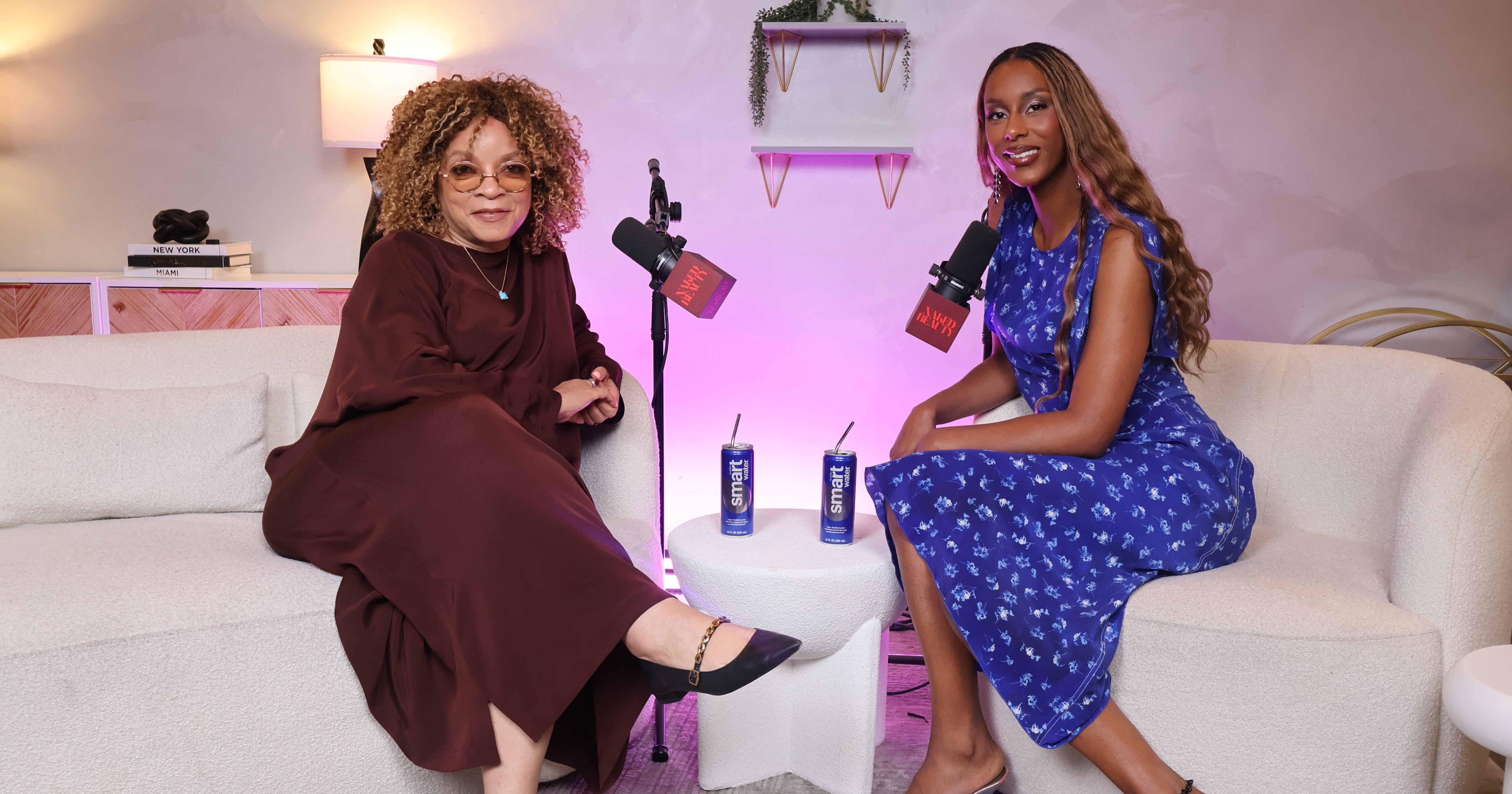
In a recent episode of Naked Beauty, hosted by Brooke DeVard, Carter sat down to talk through the discipline behind her process – what fuels it, what research demands it, and why she treats every detail as a narrative decision rather than an aesthetic one.
She’s not designing outfits. She’s making arguments about who people are.
From Malcolm X’s Wardrobe to Wakanda’s Textile Language
Carter’s method starts in archives, not mood boards. For Malcolm X, she studied archival records to reconstruct a specific man in a specific historical moment – clothing that had to communicate transformation, ideology, and time period without a single line of dialogue. That kind of research-first approach is what separates costume design that reads as authentic from costume design that reads as costume. The clothes have to carry what the script sometimes can’t say out loud.
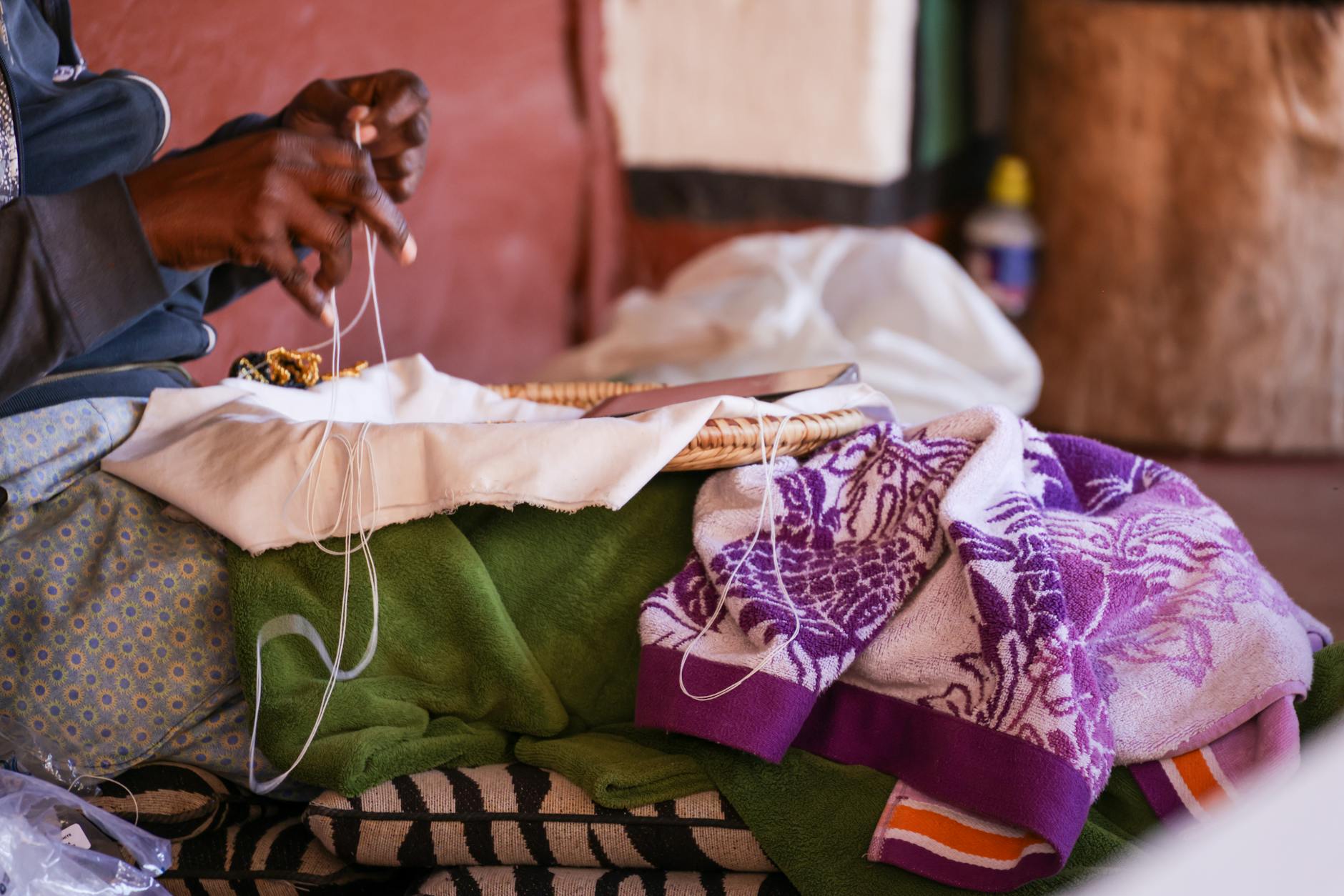
Building Wakanda for Black Panther was a different problem entirely. There was no archive to consult because the place doesn’t exist – so Carter had to invent a visual language for an Afrofuturistic civilization that felt both imagined and historically grounded. She drew from actual African textile traditions, tribal aesthetics, and cultural symbolism to give Wakanda’s residents a coherent visual identity. The result wasn’t just fashion for a fictional country. It was a statement about what Black excellence and African heritage could look like freed from the weight of colonialism.
What connects both projects – decades apart, in entirely different registers – is intentionality. Carter has spoken directly about the fact that for her, style operates as storytelling. Nothing is surface-level. The color of a collar, the cut of a lapel, the texture of a fabric – each choice is made in service of character truth, not trend.
The Small Rituals That Hold Big Work Together
Beyond the film sets and award stages, Carter talked with DeVard about the personal rituals that allow her to show up fully prepared for the demands of the work. Moments of reflection, creative preparation, and the small daily choices that maintain clarity – the kind of grounding that sustains a decades-long career at that level of intensity. That conversation extended into the episode’s sponsor integration with smartwater®, which framed its product around the same values Carter articulates: intentionality, clarity, and the idea that elevation lives in everyday details.
It’s a sponsorship framing that works because Carter’s philosophy genuinely supports it – she’s been talking about the power of small intentional choices for years, long before a water brand needed a quote to anchor a campaign. The details-as-story argument is central to how she describes her entire creative process, not just her morning routine.
What Naked Beauty does well, when it’s working, is pull the camera back on women who are usually only seen through their output. Carter’s career is visible everywhere – in film posters, on awards show stages, in the cultural conversation around Black cinema. The process behind it is less visible. What archival research actually looks like. What it costs to build a world from scratch for a Marvel film while holding the weight of what that representation means to the people watching it.

Carter’s work on Do the Right Thing in 1989 opened a career that would eventually land her in the middle of one of the most culturally significant franchise moments of the 21st century. The distance between those two projects – in budget, in scale, in cultural context – is enormous. The throughline is a designer who never stopped treating fabric as a form of argument, and who built an Oscar-winning body of work by refusing to let a single detail exist without purpose. The full episode with Brooke DeVard is available to watch now – and the question Carter leaves hanging isn’t about fashion at all: it’s about what we choose to communicate before we ever open our mouths.