




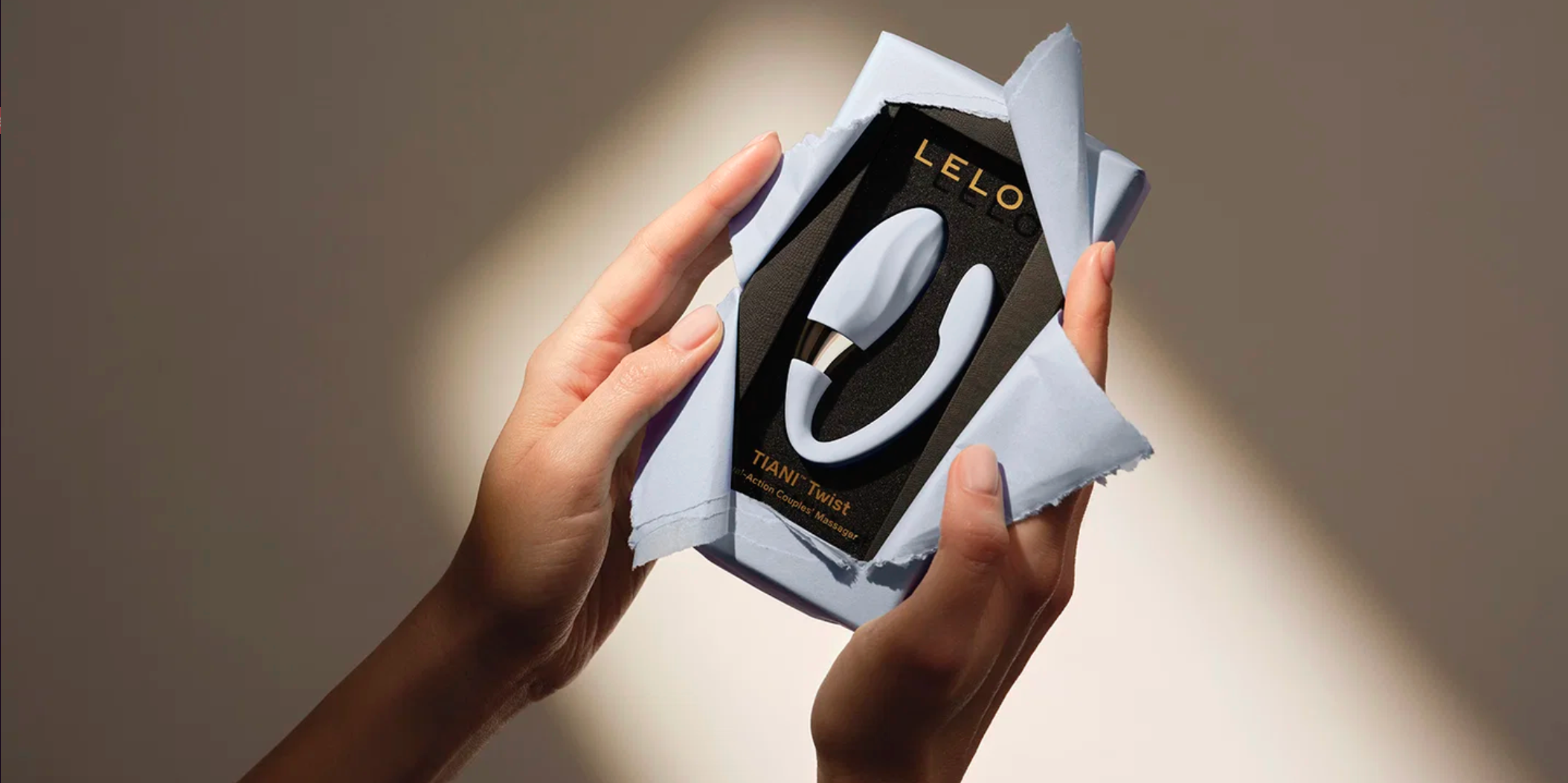
Swedish luxury brand LELO has launched its most significant discount event of 2024, cutting prices up to 50% across its collection of premium adult products. The sale arrives during what the company designates as “Masturbation Month,” targeting consumers who’ve been waiting for price drops on high-end intimate wellness devices.
The timing coincides with broader retail patterns where luxury brands increasingly embrace direct-to-consumer sales events rather than relying solely on third-party retailers. LELO’s approach mirrors strategies seen across premium lifestyle categories, from skincare to home goods, where brands control messaging around sensitive product categories.
Flagship Products See Steepest Markdowns
LELO’s bestselling items anchor the promotional campaign, with the company’s signature products receiving the deepest price cuts. The brand’s established reputation in the premium segment allows for substantial discounts without damaging perceived value – a luxury other companies in this space often cannot afford.
Several product lines that typically maintain strict pricing now appear with reduced tags. The sale structure follows familiar luxury retail patterns: flagship items lead promotional messaging while newer releases maintain closer to full retail pricing. This approach protects margins on recent launches while driving volume on established inventory.
Consumer response to previous LELO sales suggests strong demand when price barriers lower on premium products. The company’s positioning as a wellness brand rather than purely adult entertainment has expanded its market reach, making these sales events more mainstream retail moments than niche promotions.

Timing Leverages Cultural Shifts
The sale coincides with growing mainstream acceptance of adult wellness products as legitimate self-care items. Retail data shows increased purchasing during designated awareness periods, suggesting consumers appreciate permission structures around traditionally private purchases.
LELO’s messaging frames the discount period within wellness narratives rather than purely commercial terms. This positioning strategy has become standard across the adult wellness category, where brands work to normalize purchasing decisions through health and self-care language.
Premium Pricing Meets Accessibility Demand
The discount event highlights ongoing tension between LELO’s luxury positioning and market demand for accessible pricing. While the brand maintains premium pricing year-round, periodic sales events serve dual purposes: clearing inventory and expanding customer base beyond typical luxury buyers.
Industry observers note this pattern across premium wellness categories, where brands balance exclusivity with growth targets. LELO’s approach suggests confidence that temporary discounting won’t permanently damage its luxury positioning – a calculation that depends heavily on product quality and brand strength.
The sale duration remains limited, creating urgency while protecting the brand’s typical pricing structure. This time-bound approach allows experimentation with lower price points without establishing new baseline expectations among regular customers.
For consumers who’ve monitored LELO pricing, these discount windows represent rare opportunities to access products that typically remain at fixed premium rates. The company’s direct-to-consumer model means these savings don’t appear through traditional retail channels, making the brand’s own sales events the primary access point for reduced pricing.